Seat compatibility depends on several factors, including the BMW model and year, seat rails, mounting brackets, electrical connections, airbags, seat-belt systems, and the particular carbon seat being installed.
A seat that fits one BMW model or generation should not automatically be assumed to fit another. Proper mounting hardware and installation are essential.
Our goal is to make it easier for BMW enthusiasts to find performance-oriented carbon bucket seats and understand the important considerations before choosing one.
We believe customers should have clear information about construction, compatibility, intended use, installation requirements, and safety before making a purchase.
Carbon-fibre-reinforced materials are valued in performance engineering for their combination of strength, stiffness, and relatively low weight.
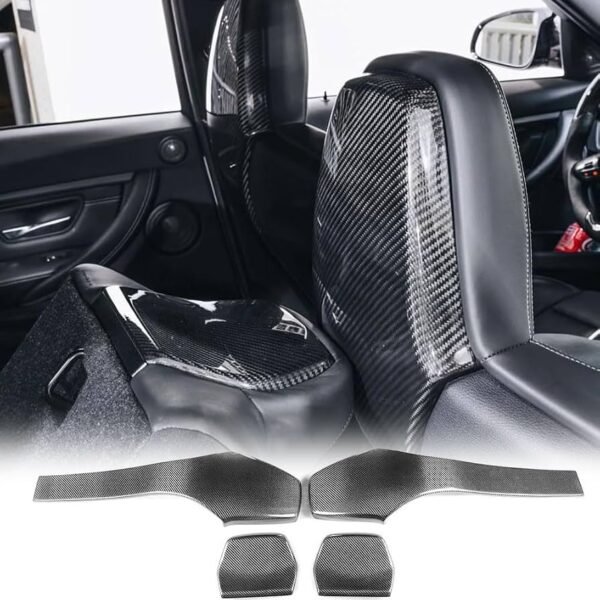
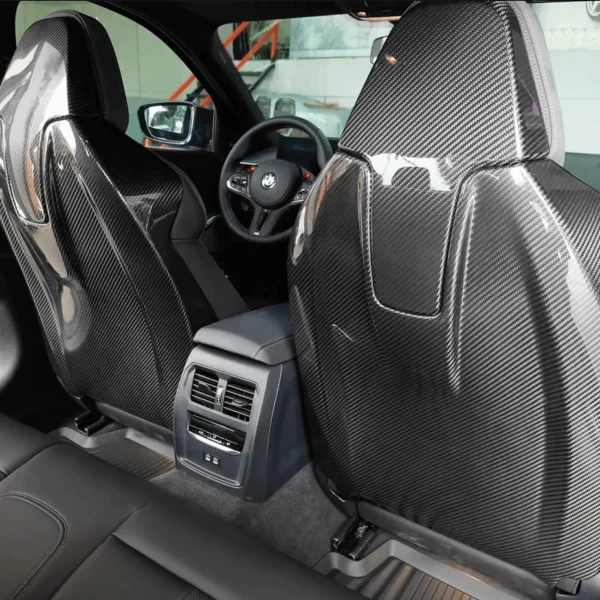
BMW has incorporated carbon-fibre components into its M Performance products and developed carbon bucket seats as part of its performance-oriented seating technology. Carbon construction can provide a rigid foundation for a deeply contoured seat while contributing to a lightweight, motorsport-inspired interior.
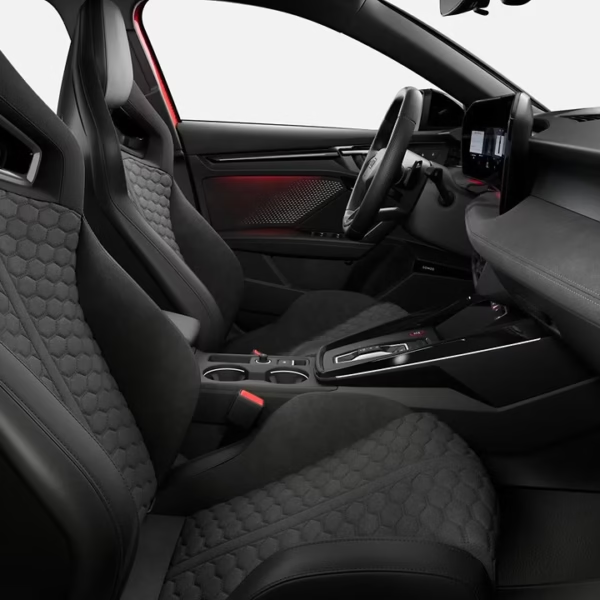
One of the main reasons drivers choose bucket seats is the additional lateral support compared with conventional seats.
The pronounced side bolsters help reduce unwanted body movement when accelerating, braking, and cornering. This can create a more secure and connected feeling between the driver and the vehicle.
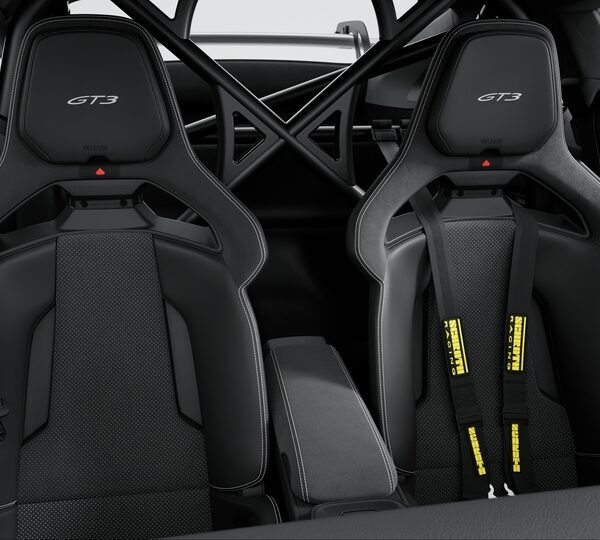
Carbon bucket seats bring a distinctive motorsport character into the cabin. Visible carbon fibre, pronounced bolsters, integrated headrests, and performance-oriented contours can give a BMW interior a more aggressive and purposeful appearance.
They can complement other performance modifications such as carbon-fibre trim, steering wheels, harness systems, and other interior upgrades.
Every BMW build has different requirements. A vehicle used primarily on the road may prioritize comfort, adjustability, and compatibility with the original vehicle systems, while a track-focused build may prioritize support, weight reduction, and harness compatibility.
For this reason, customers should always confirm the exact seat specifications and compatibility with their particular BMW model, generation, and intended use before purchasing.
A performance seat is an important vehicle component and should be installed correctly.
Customers should consider seat-belt compatibility, airbags, mounting hardware, harness requirements, seat positioning, and local road regulations before installation. Dedicated motorsport seats and road-oriented performance seats can have different requirements.
Professional installation is recommended when the installation involves seat-belt systems, airbags, harnesses, or modifications to the vehicle's original safety systems.
Carbon bucket seats are automotive seats constructed from carbon fiber composite shells — the same material used in Formula 1 monocoques and GT racing cars. They weigh 70–80% less than OEM sport seats, provide rigid lateral support that does not degrade over time, and are structurally superior to steel-framed alternatives. For performance driving, they are the benchmark against which all other seats are measured.
Our carbon bucket seats range from 2.8 kg (track-spec racing models) to 3.8 kg (street performance seats with additional padding). A factory BMW M3 sport seat weighs approximately 18–22 kg. Installing a pair of carbon bucket seats removes 28–36 kg from the vehicle — the equivalent of removing a full passenger permanently.
Yes. We stock direct-fit BMW G87 M2 carbon bucket seats (2023–present) as well as the F87 M2 and M2 Competition. Both generations receive chassis-specific mounting kits — our G87 solution is developed specifically for the revised seat rail geometry unique to that platform. Availability is confirmed in real time at checkout.
Yes. All of our motorsport-spec carbon bucket seats feature correctly-dimensioned FIA harness openings for 4-, 5-, and 6-point harness systems. Shoulder slot dimensions and anti-submarine strap openings comply with FIA 8855-1999 and 8855-2021 specifications where applicable. All seats are equally compatible with standard OEM three-point seatbelts for street use.
Listing statistics for: